Reading the Room: What a Live Dealer Table Is Actually Telling You Before You Place a Single Chip
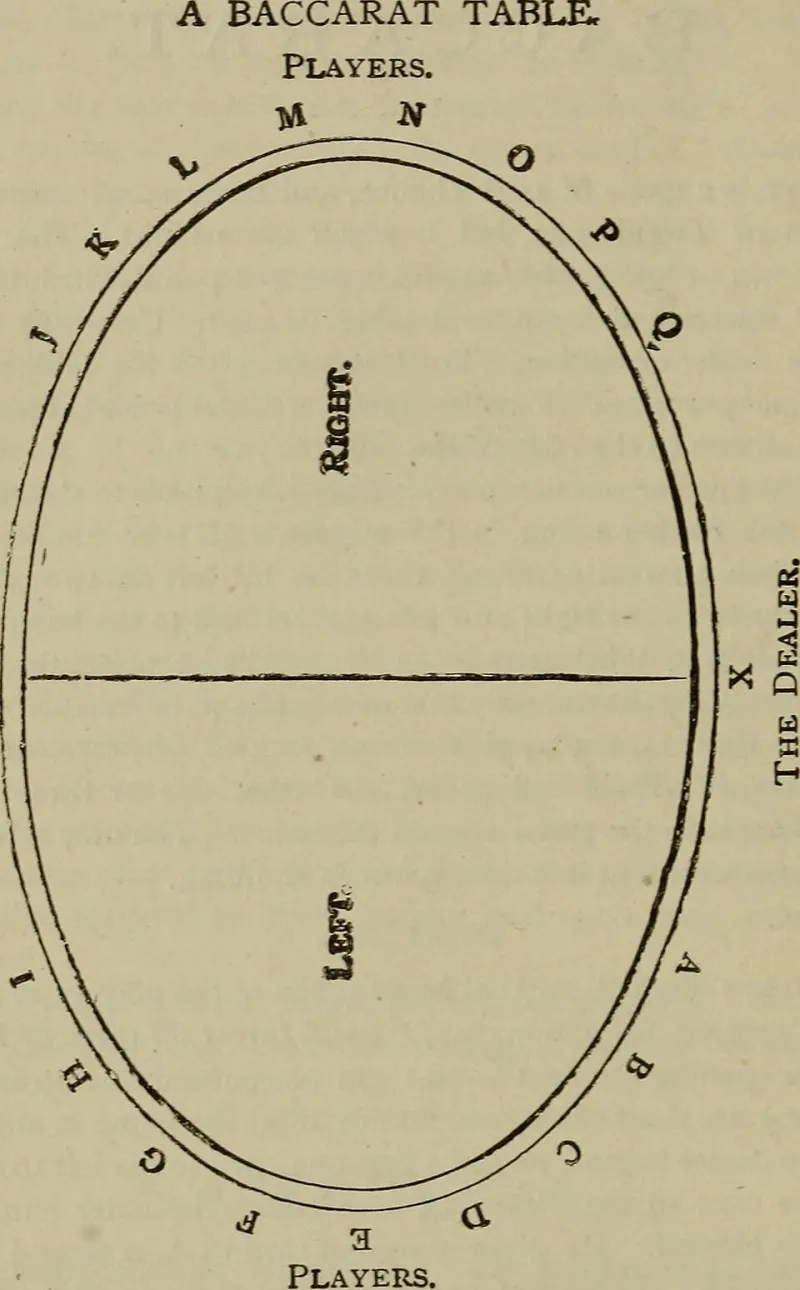
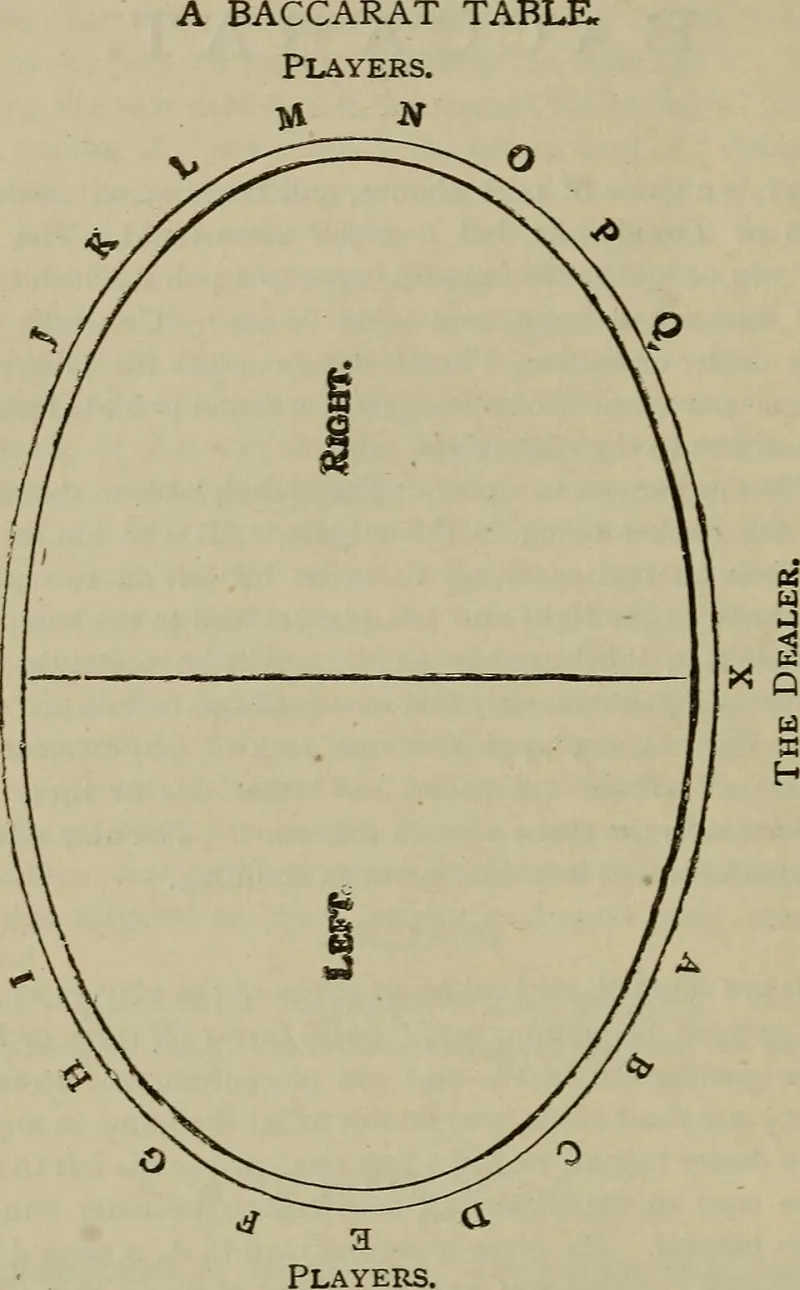
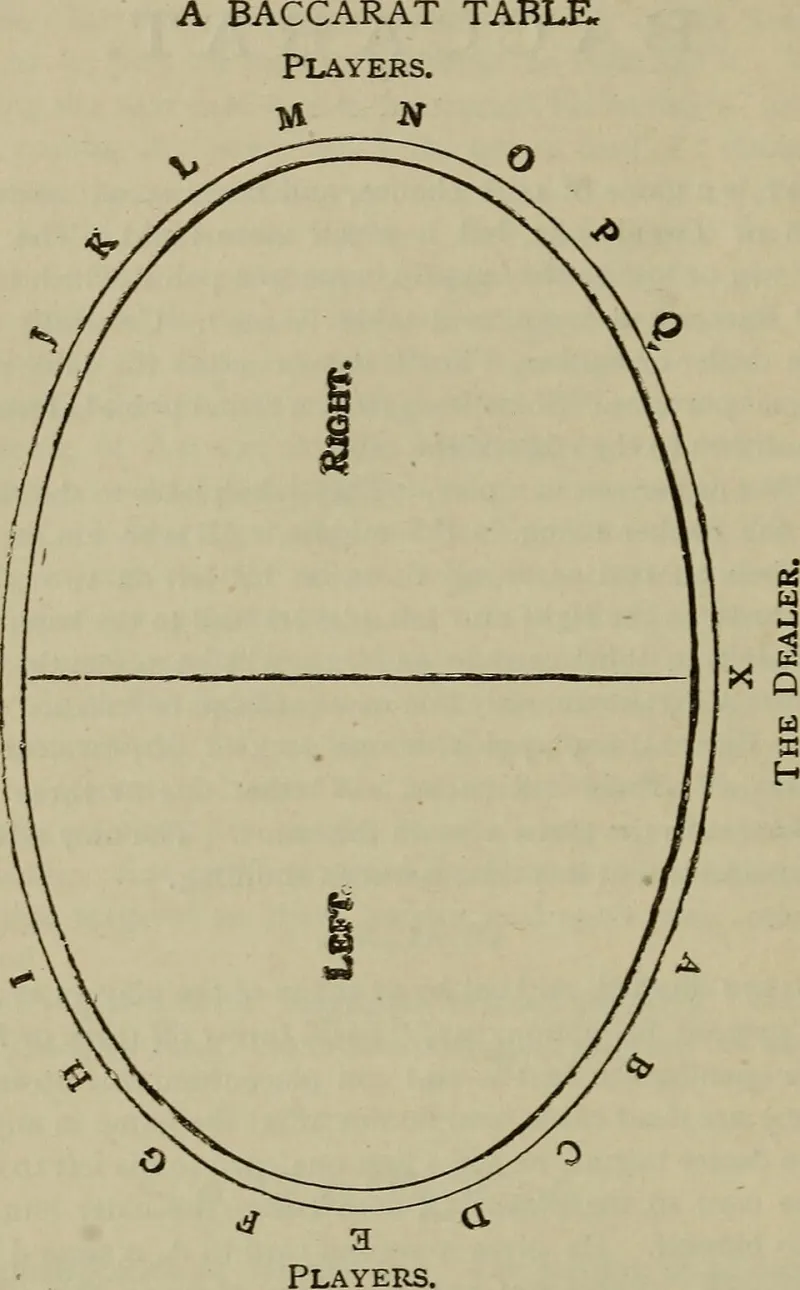
Photo: Internet Archive Book Images, No restrictions, via Wikimedia Commons
There is a skill that separates casual baccarat players from those who approach the game with genuine strategic intention, and it has nothing to do with the cards themselves. It is the ability to evaluate a table before committing meaningful money — to read the environment, the dealer, the shoe, and the collective energy of the other players seated at the felt. In live dealer baccarat, particularly in the online formats that have become the dominant playing experience for American players, this skill is both undervalued and frequently misapplied.
Most players who believe they are reading a table are actually responding to emotional triggers. They see a streak of Banker wins and feel momentum. They watch a shoe produce alternating results and sense volatility. They observe other players increasing their bets and interpret that as confirmation of something real. In the vast majority of cases, they are wrong — not because their instincts are useless, but because they are reading the wrong signals entirely.
The Difference Between a Hot Table and a Streaky Illusion
Baccarat outcomes are not influenced by previous results. This is not a matter of debate — it is the mathematical foundation of the game. Each hand is an independent event. A shoe that has produced seven consecutive Banker wins is not more likely to produce an eighth, nor is it due for a correction. The cards have no memory.
And yet, the concept of a "hot table" persists among experienced players, and dismissing it entirely would be intellectually dishonest. The nuance lies in understanding what "hot" actually means in a strategic context. A table is not hot because it has produced favorable outcomes in recent history. A table is worth pursuing because its structural conditions — shoe penetration, dealer pacing, betting limits relative to your bankroll — align favorably with your intended approach.
This is a critical distinction. One is superstition dressed as strategy. The other is genuine environmental assessment.
Dealer Pacing and What It Reveals
In live dealer baccarat, the dealer is not a passive card-delivery mechanism. Their pacing — the rhythm at which they conduct each hand, manage the betting window, and handle card reveals — communicates meaningful information about the session environment.
A dealer operating at a rapid pace compresses your decision-making time and increases the number of hands dealt per hour. For flat bettors, this is largely neutral. For players using any form of progressive sizing or session-based strategy, a faster pace means your bankroll exposure increases proportionally. A 90-hand-per-hour game exposes you to more variance than a 60-hand-per-hour game, regardless of the house edge on any individual bet.
Conversely, a dealer who maintains a measured, deliberate pace — particularly common in premium live dealer rooms offered by major platforms serving the US market — creates a more favorable environment for players who rely on active decision-making between hands. You have time to assess your position, consult your session targets, and place considered bets rather than reactive ones.
Observing a dealer's pacing for several hands before entering a game is not superstition. It is operational intelligence.
Shoe Penetration and the Strategic Implications
Shoe penetration — how deeply the current shoe has been dealt before reshuffling — is one of the most underappreciated variables in live baccarat strategy. Unlike blackjack, where penetration directly affects card counting viability, baccarat's relationship with shoe depth is more subtle but still strategically relevant.
Early in a shoe, variance tends to be higher and streaks less established. Players who prefer to wait for a discernible pattern before committing to a directional bet — a legitimate psychological strategy even if not a mathematical one — will find more actionable information later in a shoe than during its opening hands.
More practically, entering a table late in a shoe means you are closer to a reshuffle, which resets the playing environment entirely. If you have observed unfavorable conditions — erratic results, an uncomfortable pacing rhythm, a table dynamic that feels disorganized — waiting for a fresh shoe to make your entry is a disciplined approach that costs nothing and potentially preserves your session bankroll.
Most online live dealer platforms display a visual indicator of shoe progress. Using it deliberately is a straightforward habit that many American players overlook entirely.
Player Energy Dynamics: Signal or Noise?
In a live dealer online environment, you are typically playing alongside other participants whose betting behavior is partially visible. Some platforms display recent bet distributions — the proportion of players on Banker versus Player — and many players use this information as a directional signal. If 80% of the table is on Banker, the reasoning goes, perhaps the collective wisdom of the room is pointing somewhere meaningful.
This reasoning is almost entirely unfounded. Other players' bet selections are no more predictive than your own. Crowd behavior in baccarat is driven by the same biases and pattern-recognition errors that affect every individual player. Following the crowd does not reduce your risk — it simply redistributes the psychological responsibility for your decision.
However, player energy dynamics do carry one legitimate piece of information: they tell you something about the table's volatility and the betting culture currently present. A table where multiple players are placing large, confident bets may indicate a higher-stakes environment that could compress your relative bankroll flexibility. A quieter table with smaller, more conservative bets may offer a more manageable pace and a lower-pressure atmosphere for executing a structured session plan.
Read the energy for what it reveals about the environment, not for what you wish it predicted about the cards.
Scenarios American Players Encounter Most Often
Consider a player logging into a live dealer platform on a Friday evening — peak traffic hours for most US-facing operators. Tables are busy, dealers are moving quickly, and the chat window is active with commentary from other players celebrating or lamenting recent results. This is precisely the environment in which emotional decision-making flourishes and disciplined strategy erodes.
The correct response is not to find the table with the longest recent winning streak and ride it. The correct response is to identify a table with a pacing rhythm you can work with, a shoe that is at a depth suitable for your entry strategy, and betting limits that preserve your ability to execute your planned session without being forced into oversized bets by minimum requirements.
Alternatively, consider a quieter mid-week session with fewer active players and a more deliberate dealer. The absence of crowd energy removes one layer of psychological noise. The slower pace allows for more considered betting. These structural advantages are worth more than any streak visible on the scoreboard.
The Discipline to Walk Past a Tempting Table
Perhaps the most important skill in live dealer table assessment is the willingness to pass. Seeing a scoreboard full of Banker wins and recognizing that this information does not obligate you to participate is a genuine mark of strategic maturity. The table does not owe you continuation of its recent results. The shoe does not know what it has produced.
At Baccarat 1688, the principle is consistent: play smart before you play bold. Reading a live dealer table accurately means separating genuine structural advantages from emotional projections — and having the discipline to act only when the former is present.